Cacau do Sul da Bahia: the terroir that the world began to see
From commodity standard to fine chocolate bar: how Bahia producers rewrote their own story
By gastronomizaê · Sul da Bahia · 2026-04-14
For a long time, Bahian cacao was a commodity. It left the farm by the ton, went to the factory without identity, became industrial chocolate that could have come from any tropical latitude. The producer who planted the tree rarely knew what happened to the fruit after the scale registered its weight.
This began to change at the turn of the century, when a group of farmers from Sul da Bahia — gathered around the cities of Ilhéus, Itabuna and Uruçuca — decided that cacao could tell another story. A story of variety, of controlled fermentation, of differentiated drying. A story that begins with the producer’s name and ends on a bar with origin percentage printed on the packaging.
Today, the region produces some of the most sought-after cacaos in the international fine chocolate market.
The soil tells the story
Cacao is not indifferent to where it grows. The average temperature between 24°C and 28°C, the constant humidity of the Mata Atlântica still present in Sul da Bahia, and a clay soil rich in organic matter create conditions that are not reproducible in Pará, the Ivory Coast, or Ghana. What grows here has a particular chemical signature: higher citric acidity content, more pronounced fruity notes, refined bitterness that disappears after two seconds in the mouth.
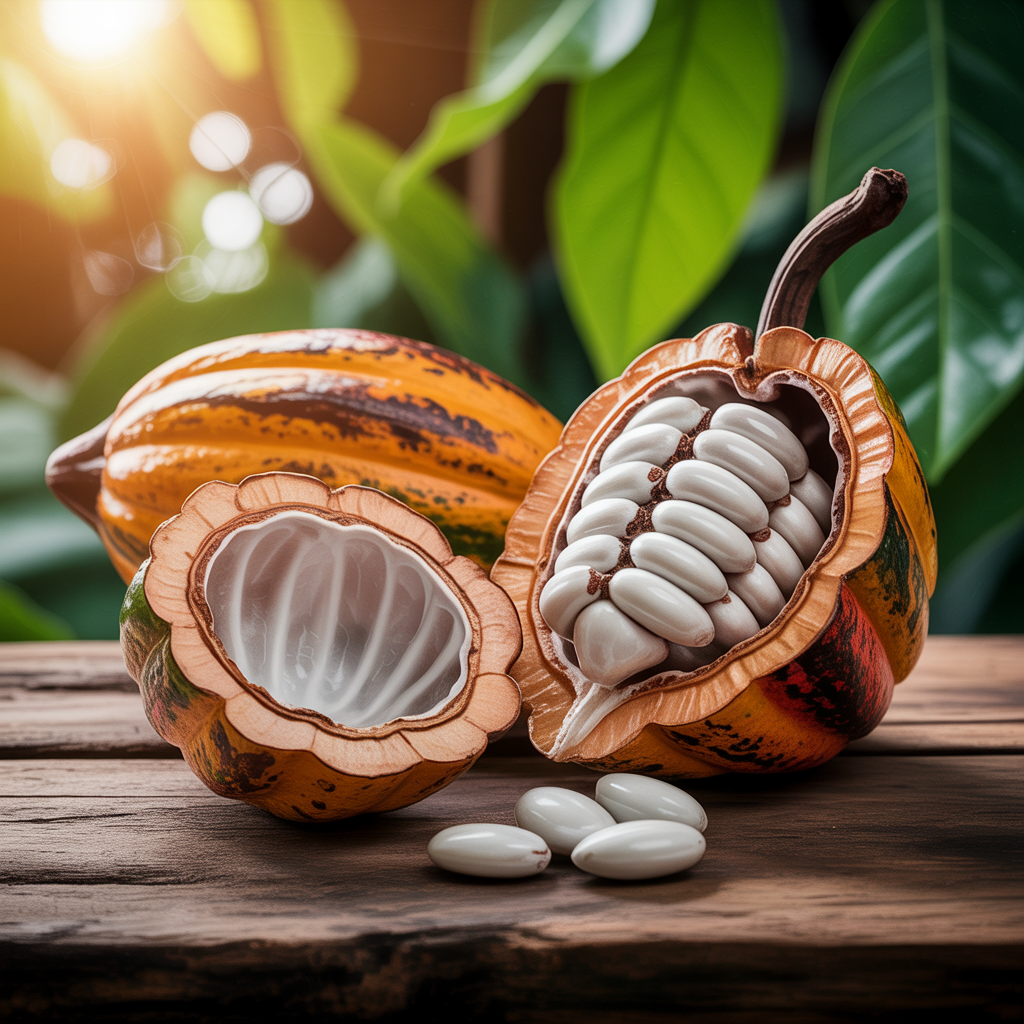
The Catongo variety — a natural mutant of common cacao discovered in Bahia in the 1940s — produces white beans with a smooth, floral flavor that renowned European chocolatiers pay three to four times the price of conventional cacao to obtain.
The process that makes the difference
Fermentation is the critical point. In the commodity years, the standard was to pulp quickly, dry in the sun without control, sell damp if the buyer would accept it. The result was inconsistent and anonymous.
The producers who migrated to the fine chocolate market developed fermentation protocols of 5 to 8 days in specific wooden boxes, with programmed turning and temperature control. The Mata Atlântica microclimate favors local strains of yeasts and bacteria that build unique flavor compounds during this period.
“When we learned that flavor begins in the field and not in the factory, everything changed. The fermentation I do here determines what the chocolatier will be able to do with my bean.”
— Augusto Tavares, producer in Uruçuca (BA)
From farm to chef
The bean-to-bar movement arrived in Brazil through the window of high gastronomy confectionery. Chocolatiers like Arcelia Gallardo (Mexico), artisanal manufacturers from São Paulo and Rio, and chefs from starred restaurants seek certified origin cacao for their desserts. Bahian cacao is in the showcases of these kitchens not as regional curiosity, but as a high-performance ingredient.
Restaurants like Lasai (RJ), D.O.M. (SP) and Origem (Salvador) itself work with specific Bahian producers, developing recipes around the characteristics of individual lots. The confectioner knows where the bean comes from. The producer knows what the chef is doing with it. This direct conversation — without the anonymous commodity intermediary — changes the quality on both sides.
What’s coming
The second generation of Bahian producers is taking the concept further. Farms like Amma Chocolate, Mendoá and Baiani no longer sell just beans — they produce finished chocolate with all stages in the same territory. The Bahian cacao that once left crude can now leave as bars, ganache, ceremonial cacao powder.
For those who eat: the best indicator of a Bahian terroir cacao is the bar with origin percentage and producer name. If this information isn’t there, it’s commodity in different packaging.
For those who cook: the conversation with the producer — personally or via specialized suppliers — is the beginning of a relationship that will change what you can do with desserts.
Sul da Bahia is producing one of the most sophisticated ingredients on the planet. The news is still new to most Brazilians.