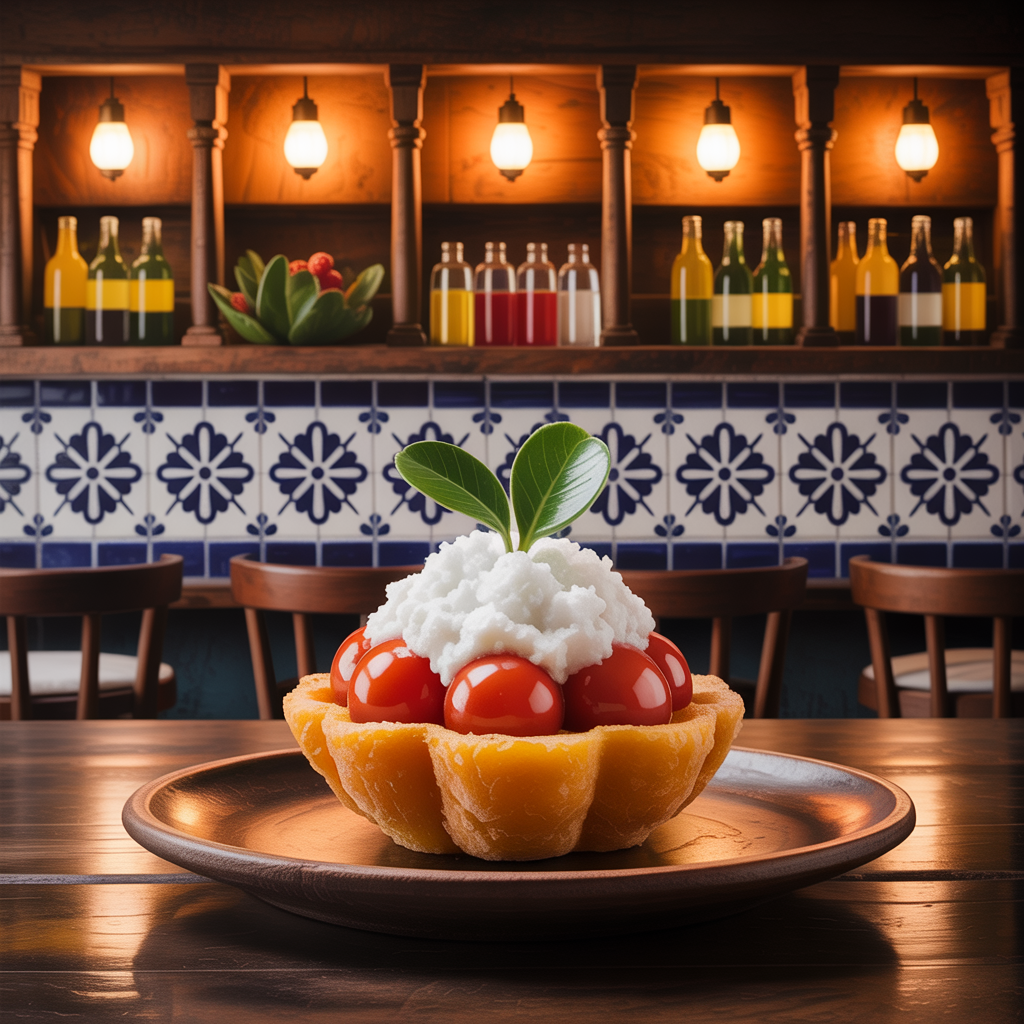
Comida di Buteco 2026: the festival that transformed petisco mineiro into a national phenomenon
Twenty-seven years after the first edition, the festival that was born from a bar discussion still knows what it’s celebrating
By gastronomizaê · Belo Horizonte, MG · 2026-04-14
In 1999, a group of journalists and entrepreneurs gathered at a boteco in the Lourdes neighborhood, in Belo Horizonte, to discuss how to valorize the culture of petisco mineiro. The idea that emerged from that conversation was simple: organize a competition between botecos, with an exclusive petisco created for the festival and evaluated by the public. The festival would be called Comida di Buteco.
Twenty-seven years later, Comida di Buteco is one of Brazil’s largest gastronomic festivals — present in over twenty cities, mobilizing more than three hundred botecos annually, and having launched throughout its history hundreds of petiscos that migrated from competitive menus to permanent lists.
The 2026 edition, which takes place in April in Belo Horizonte, features 62 participating botecos in the capital and a theme that speaks directly to what’s happening in broader Brazilian gastronomy: “From the interior to the table” — petiscos that celebrate ingredients from the mineiro interior, from altitude cheeses to local producers’ meats, from artisanal cachaças to traditional preserves.
How it works
Each participating bar creates an exclusive petisco for the festival, which must serve between two and four people, accompanied by a specified beverage. The petisco is evaluated by a jury of critics and by popular vote: customers who visit the establishment during the festival receive an evaluation form and score the petisco on criteria such as flavor, presentation, and harmony with the beverage.
The result is that quality rises systematically. Botecos that had never thought about harmony between petisco and beverage begin to develop this reasoning during the months of preparation. Cooks who had never strayed from decades-old menus find themselves forced to create something new — and often discover they have more inventiveness than they supposed.
The highlights of the 2026 edition
Bar do Alemão, Funcionários: Alemão’s petisco for 2026 is a “Bolinho de Queijo da Canastra com Carne Seca do Sertão e Molho de Pimenta Dedo-de-Moça” — a combination that sounds classic until you taste it, realize that the cheese was aged for forty days, that the carne seca was desalted in pedra-sintra water, and that the pepper sauce was fermented for two weeks. The ingredients are the usual ones; the treatment is from someone who spent the last three months researching the origin of each one.
Boteco do Lúcio, Serrano: Lúcio Fonseca, who has run the boteco for thirty years, is not a man for trends. His 2026 petisco is simple in description — “Torresmo de Barriga com Manteiga de Garrafa e Flor de Sal do Cerrado” — and absolutely precise in execution. The manteiga de garrafa comes from a family in Brumadinho that he visits twice a year. The flor de sal is produced by a cooperative in Alto Paranaíba that discovered salt cultivation processes adapted to the Cerrado. The torresmo is the same as always — and it’s impeccable.
Bar do Coxo, Santa Tereza: Coxo’s bet is risky: “Ceviche Mineiro de Pintado do Rio São Francisco com Leite de Castanha-do-Pará e Tucumã de Goiás”. The fusion should sound forced. In practice, the fisherman from São Francisco has been the same for twelve years, the pintado arrives alive and is served within two hours, and the result is a dish that could only exist in Central Brazil — the acidity of ceviche, the vegetable fat of cashew, the subtle smoky character of tucumã. A cuisine that looks inward to the country.
What the festival reveals about BH
Comida di Buteco is a particular mirror of Belo Horizonte. It values the artisanal without romanticizing poverty, celebrates tradition without immobilizing it, and democratizes the discussion about gastronomy in a format that doesn’t require specialized training to participate.
In cities with more elitist gastronomic culture, a festival of this type would be captured by chef restaurants and lose its boteco DNA in two or three editions. In BH, the festival resists: the regulations prohibit establishments without sidewalk table service, without draft beer, without a fixed menu. This ensures that what’s being judged is genuinely a boteco — not a bistro disguised with a festival sign.
“Comida di Buteco is not about the best petisco. It’s about the best boteco petisco. That distinction is everything.”
— Festival interview archives, 2015
What goes beyond BH
The festival editions in other cities reveal something interesting: in each place, the local DNA appears strongly. In Recife, petiscos tend toward seafood frying and northeastern spices. In Porto Alegre, toward charque and chimarrão integrated as an ingredient. In São Paulo, toward the ethnic diversity that the city accumulates.
But no other city has the relationship that BH has with the concept of boteco as an institution. In no other city does the festival seem so naturally at home.
Maybe it’s because in BH the boteco is not a program choice — it’s the main program.
How to participate
The festival happens simultaneously in all participating cities in April. In BH, the complete map of participating botecos is available on the festival’s official website. Customers vote on location when paying the bill. The final result is tallied at a ceremony at the end of the month.
For those visiting BH specifically for the festival: three botecos per afternoon is the reasonable limit to maintain discernment. More than that, the petisco starts to taste the same as the previous one — and that would be a waste.